Journal / Soil & composting
Vermicompost, compost or cow dung: what's the difference?
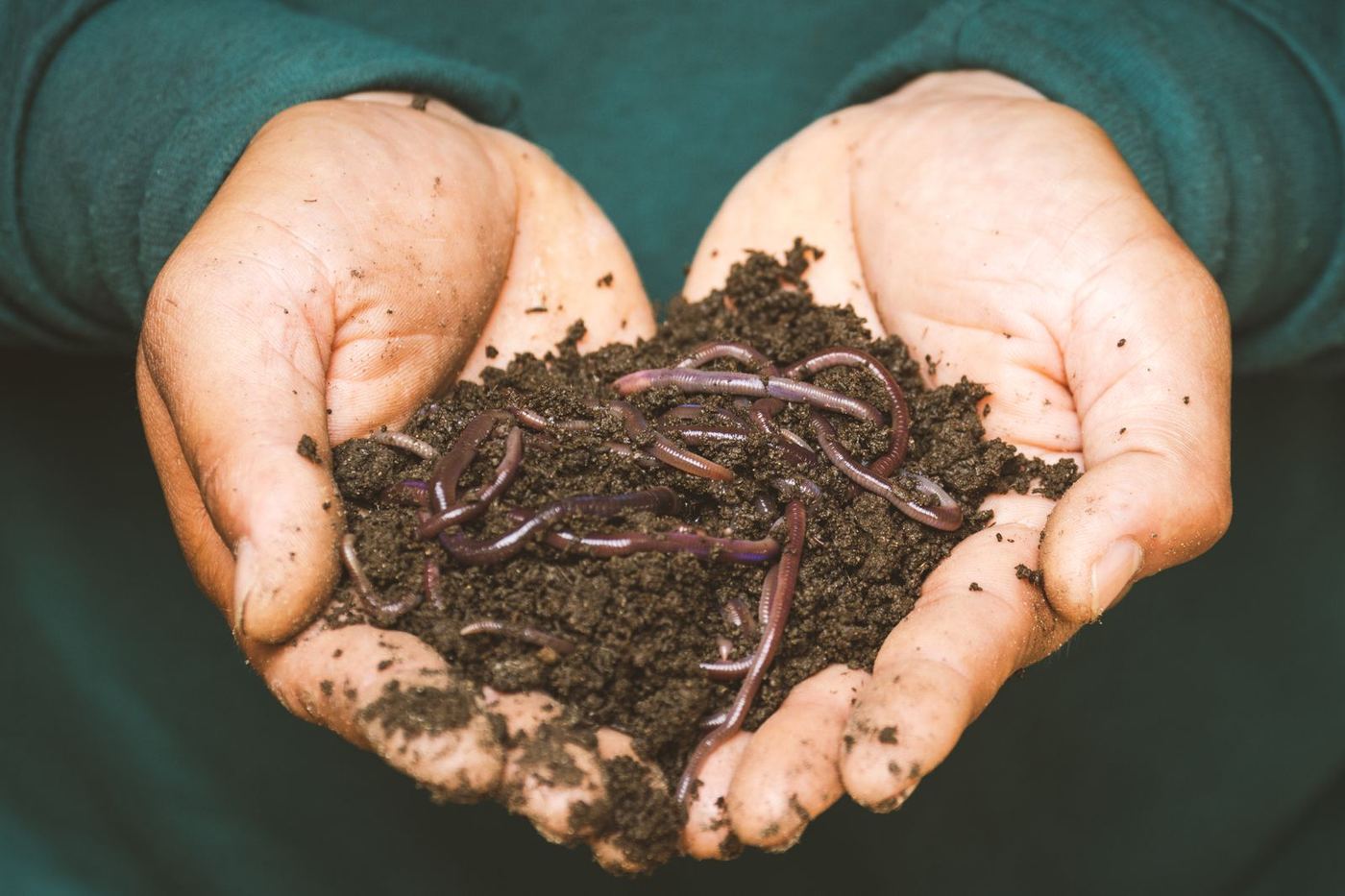
All three come from organic waste, but they are not interchangeable.
Fresh cow dung
Fresh dung is still breaking down. Put it straight into pots and it heats up, can burn roots, smells, attracts flies and often carries weed seeds. It needs to be composted first.
Regular compost
Dung or kitchen waste left in a heap for 3–6 months. Good for soil, but the texture is often coarse and quality varies with how the heap was managed.
Vermicompost
Here earthworms do the work. They eat pre-composted material and leave behind castings: fine, crumbly and dark. Compared with regular compost, vermicompost is usually:
- finer and more uniform, so it mixes evenly into potting soil
- richer in beneficial microbes
- free of bad smells and largely free of weed seeds
- ready faster, in about two months in the worm beds
Keep reading
Start a balcony kitchen garden with vermicompost
Pots, soil mix and the five easiest crops for your first season.
Why organic carbon is the most important number in your soil
What it is, why many Punjab soils are short of it, and how compost rebuilds it.
Growing tomatoes at home: a beginner's guide
Timing for North India, pot size, staking and the two problems everyone meets.