Journal / Soil & composting
Why organic carbon is the most important number in your soil
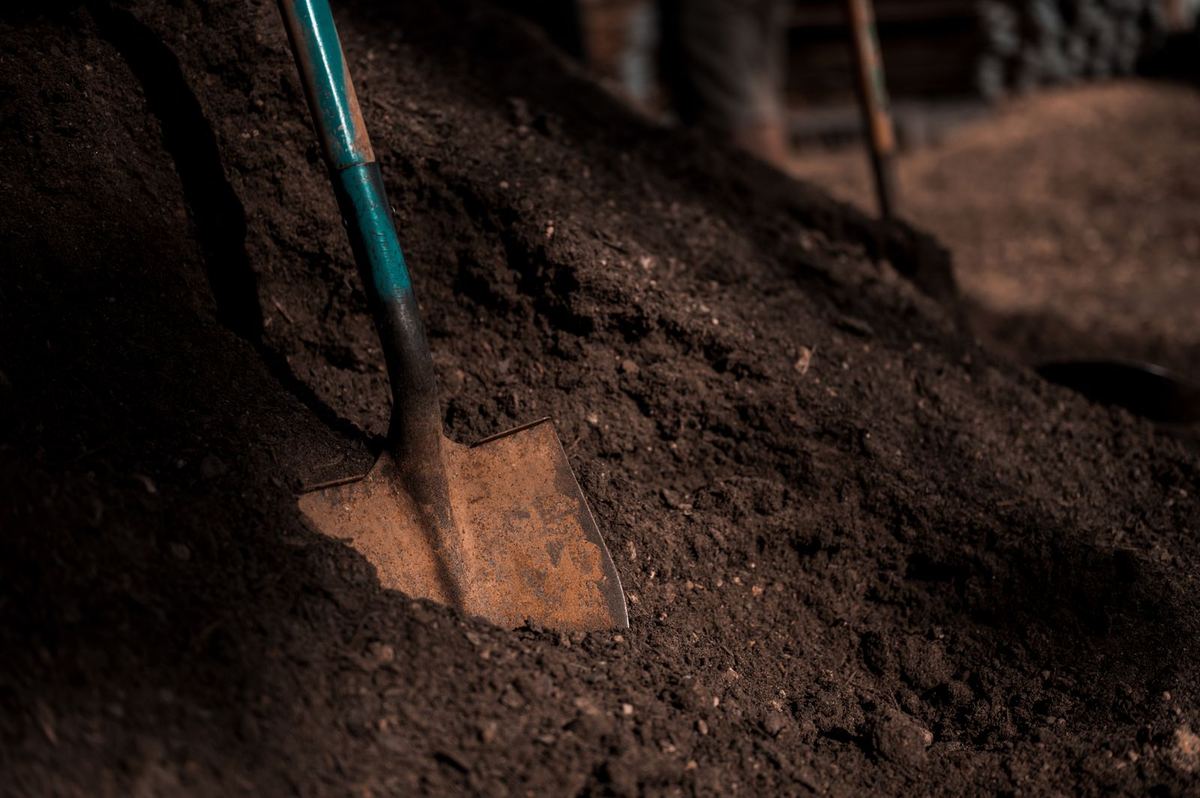
When farmers test their soil they usually look at N, P and K. But the number that tells you whether soil is alive is organic carbon: the share of the soil made of decomposed plant and animal matter.
What organic carbon does
- Feeds soil life. Microbes and earthworms live on it, and release nutrients in a form roots can take up.
- Holds water. Soil rich in organic matter soaks up rain and releases it slowly.
- Builds structure. It glues fine particles into crumbs, leaving space for air and roots.
Why it runs low
Years of continuous rice and wheat, stubble burning and heavy reliance on chemical fertiliser have left many fields in Punjab low in organic carbon. Urea and DAP feed the crop but return nothing to the soil itself.
How vermicompost helps
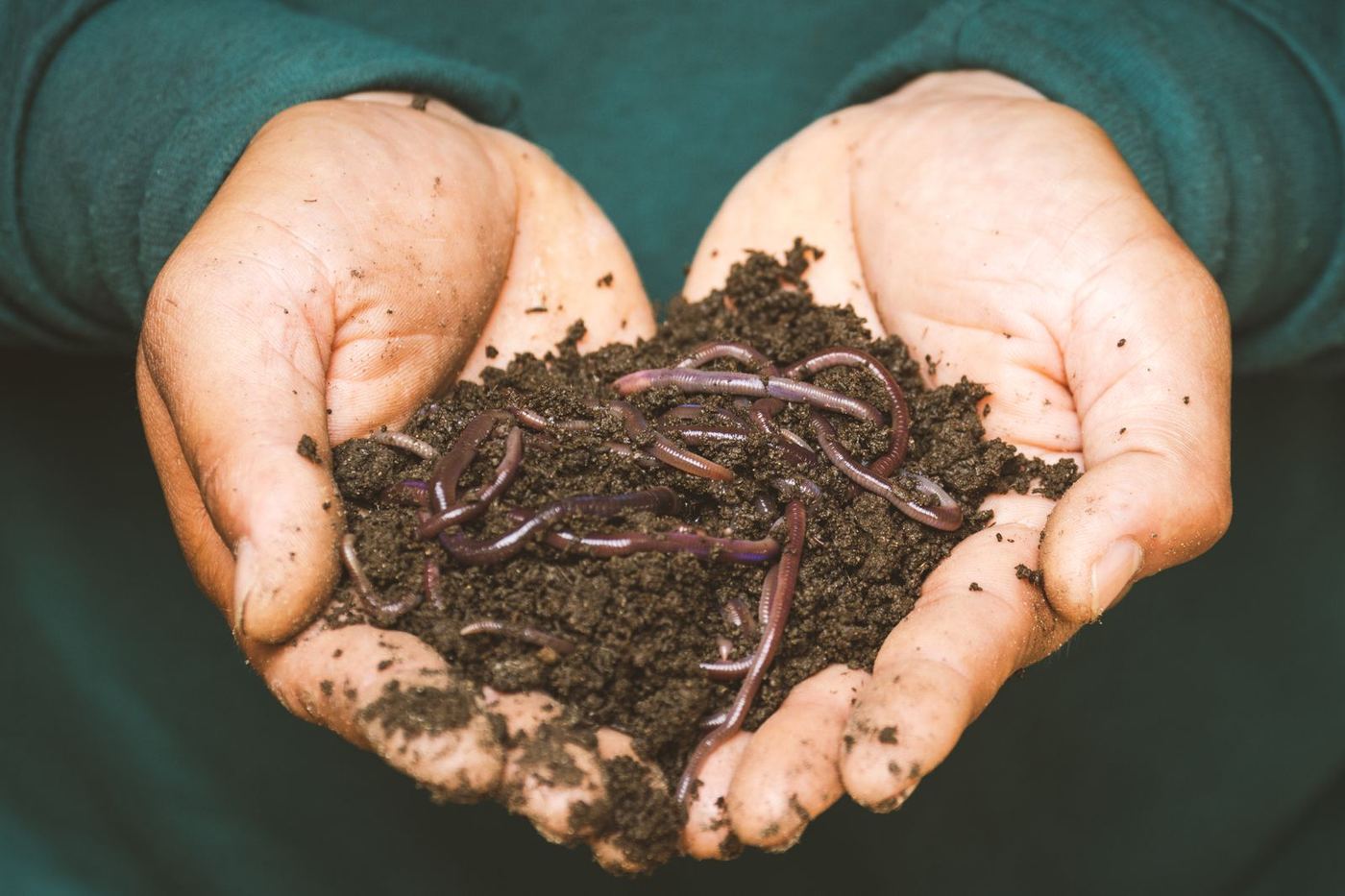
Vermicompost adds stable organic matter along with a large population of beneficial microbes. Earthworm castings have a fine crumb structure that improves aeration and water holding from the first season.
What you can do at home
- Add compost every season instead of only at planting.
- Keep the soil covered with mulch or plants.
- Don't leave pots and beds bare and dry for weeks.
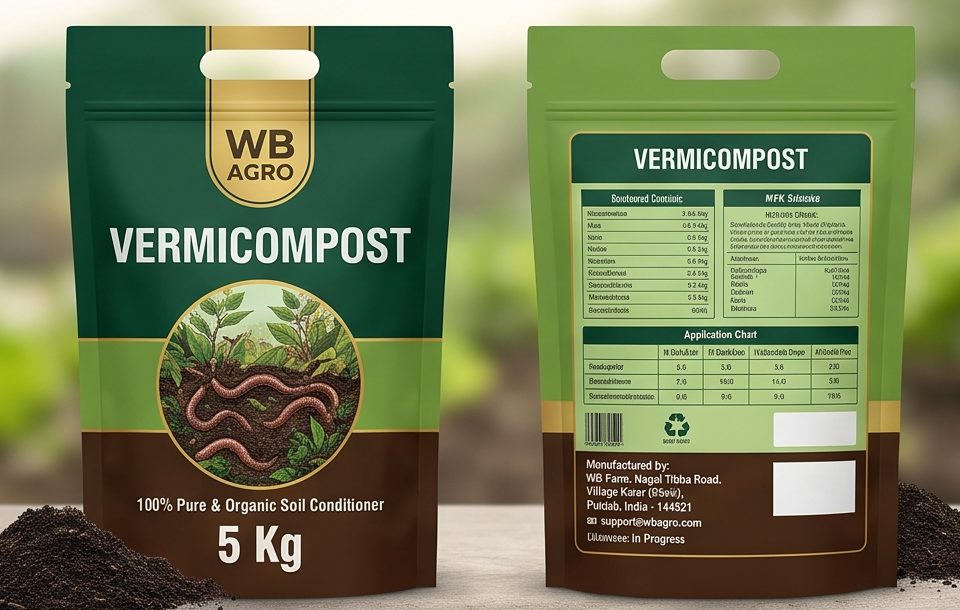
Keep reading
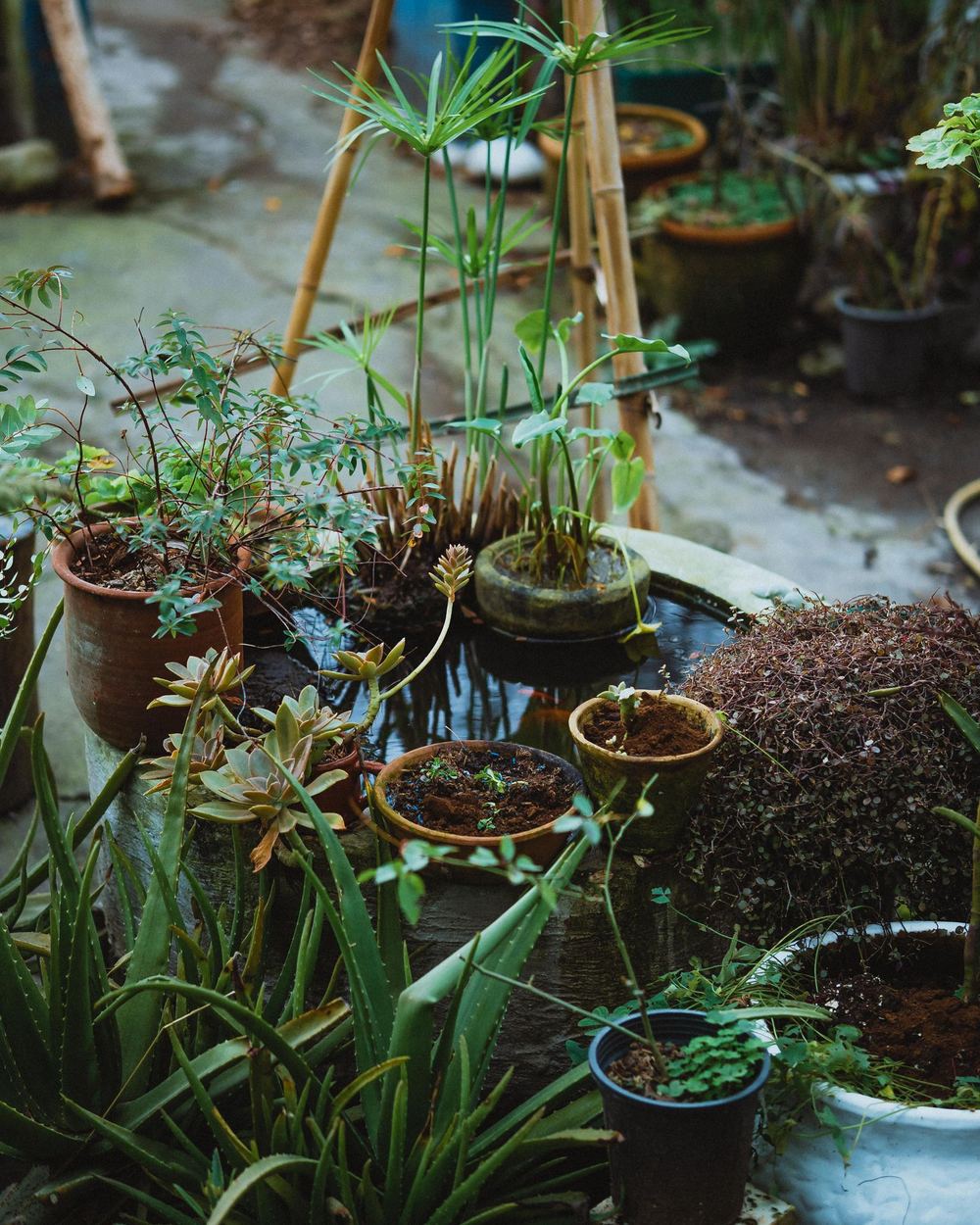
Start a balcony kitchen garden with vermicompost
Pots, soil mix and the five easiest crops for your first season.
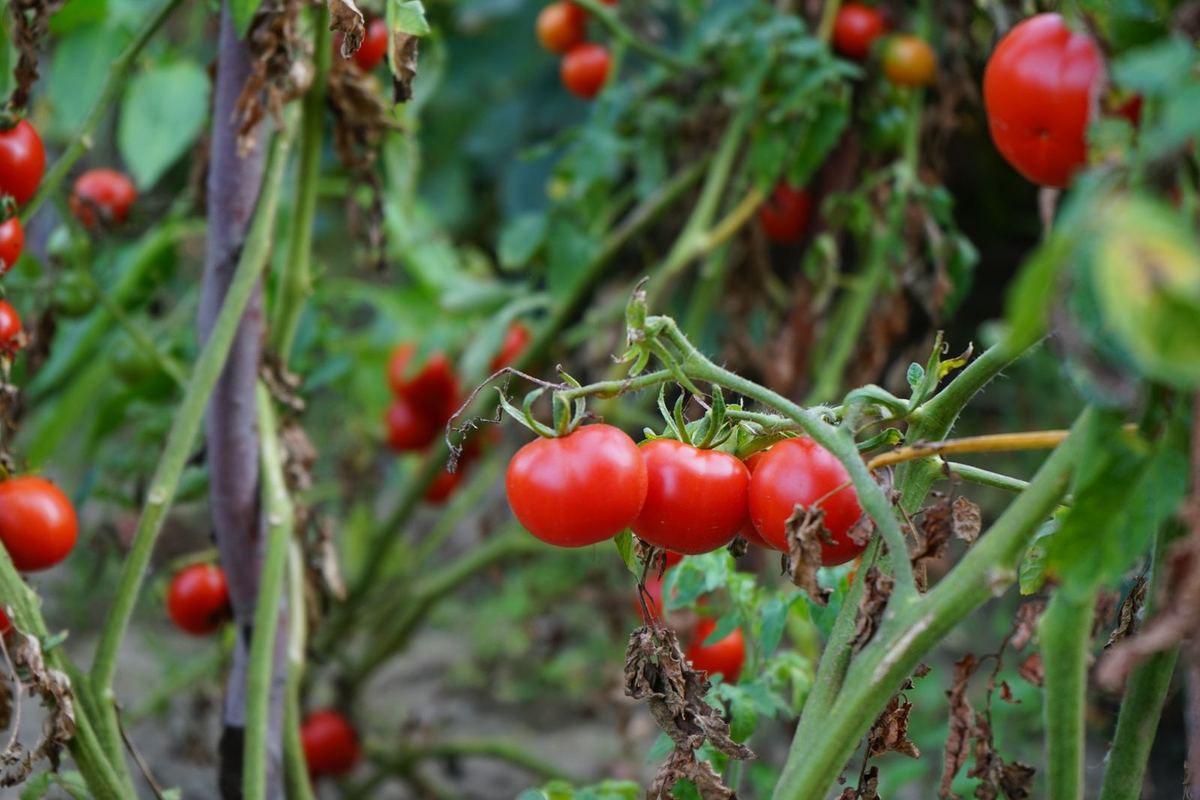
Growing tomatoes at home: a beginner's guide
Timing for North India, pot size, staking and the two problems everyone meets.
Vermicompost, compost or cow dung: what's the difference?
Why fresh dung can harm plants, and what earthworms add.