Journal / Kitchen gardening
Growing tomatoes at home: a beginner's guide
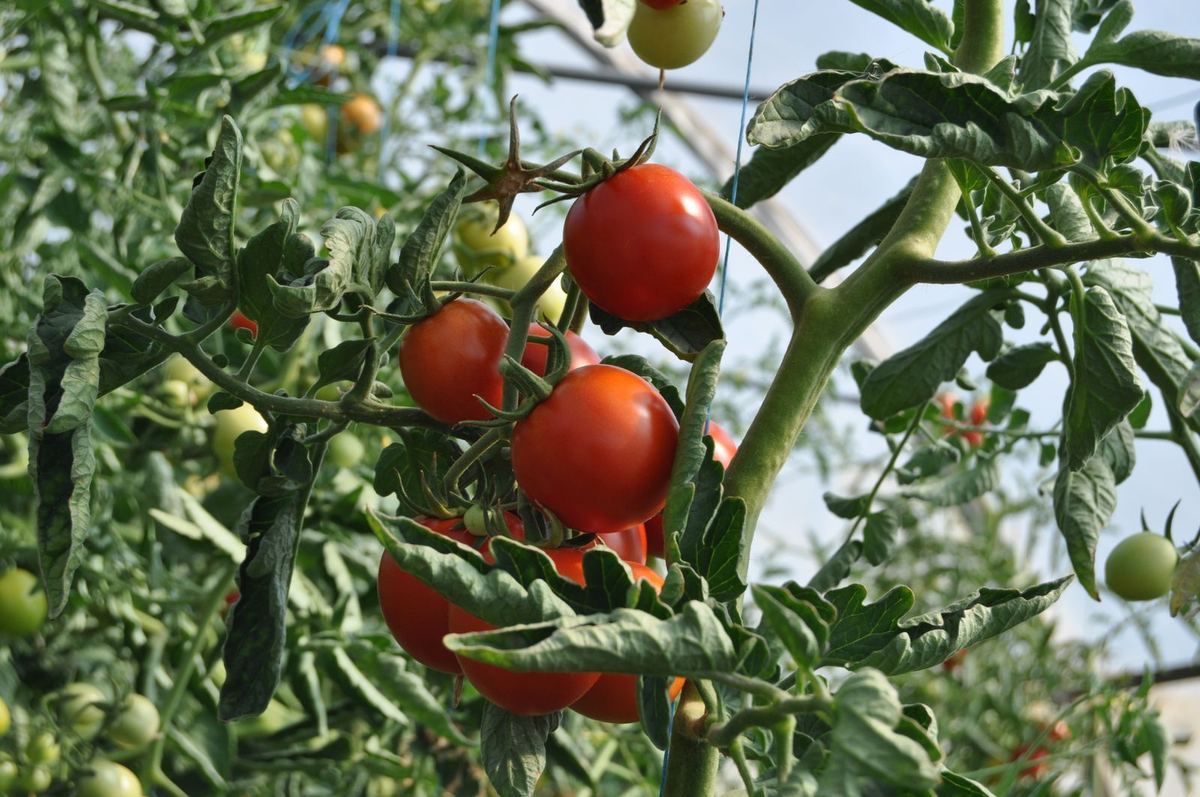
Home-grown tomatoes taste nothing like shop-bought ones. They need a little planning, mostly around timing.
When to sow in North India
- Main crop: sow seeds in a tray in late August or September. Transplant in October. Harvest from December to March.
- Spring crop: sow in December–January in a protected spot, transplant in February, harvest April–May before the heat.
Tomatoes stop setting fruit when nights stay above about 24°C, so a May–June crop rarely does well in the plains.
Pot and soil
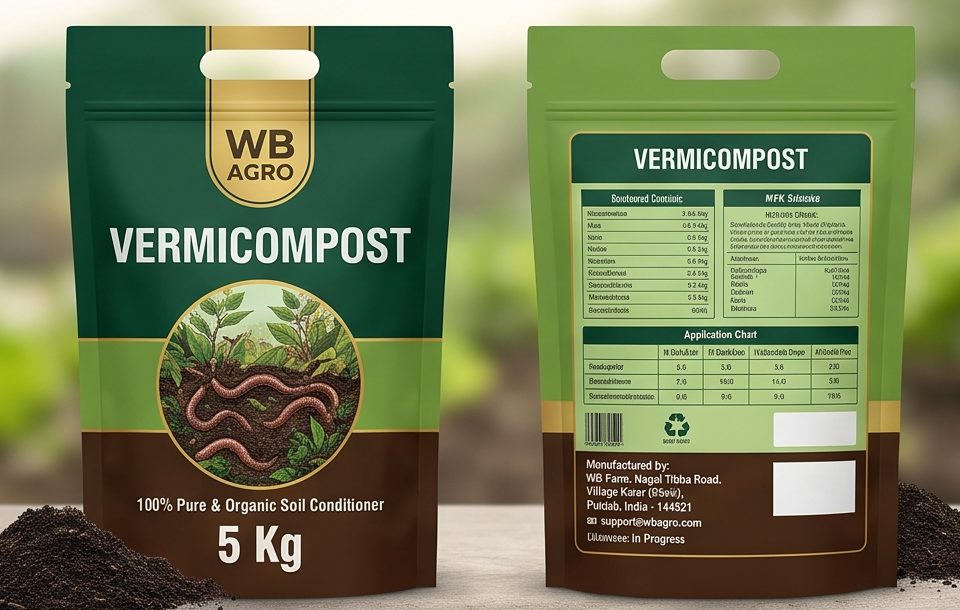
Use a 14-inch pot or a 15-litre grow bag per plant. Fill it with our potting mix (1 part vermicompost, 2 parts soil, 1 part cocopeat). Bury the stem up to the first leaves when transplanting; it will root along the buried part.
Stake early
Put a 4–5 ft bamboo stake in at planting, before roots spread. Tie the stem loosely every 20 cm as it grows.
Feeding
Mix 150–200 g of vermicompost into the soil around each plant every 30–45 days once flowers appear. Water deeply and evenly; uneven watering causes cracked fruit.
Two common problems
- Flowers dropping: usually heat or cold stress. Tap the flower clusters gently at midday to help pollination.
- Curled, crinkled leaves: often leaf curl virus spread by whiteflies. Remove affected plants early and check leaf undersides. A weekly neem oil spray helps keep whiteflies down.
Keep reading
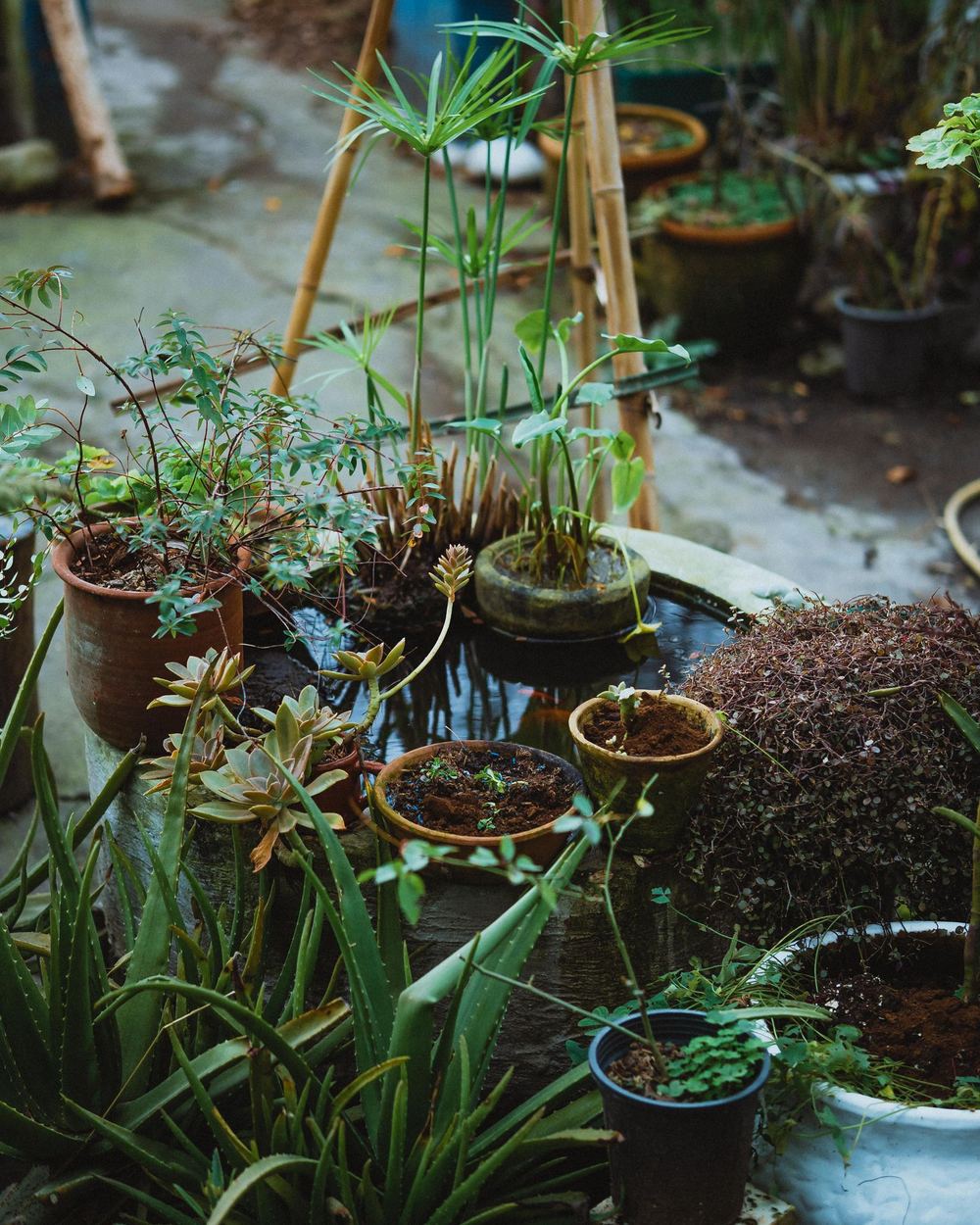
Start a balcony kitchen garden with vermicompost
Pots, soil mix and the five easiest crops for your first season.

Why organic carbon is the most important number in your soil
What it is, why many Punjab soils are short of it, and how compost rebuilds it.
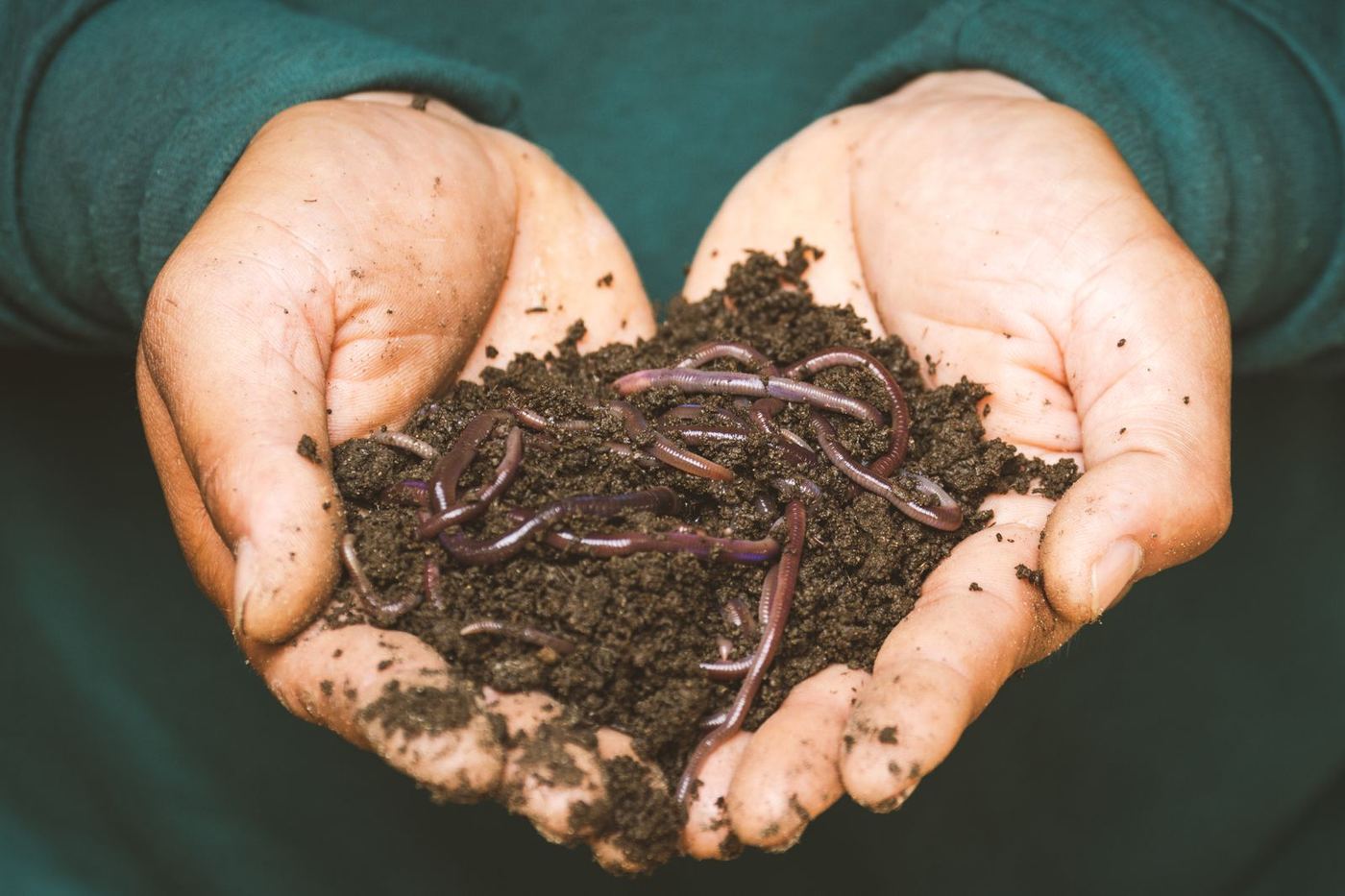
Vermicompost, compost or cow dung: what's the difference?
Why fresh dung can harm plants, and what earthworms add.